




 VN
VN JP
JPPolyester is a synthetic fiber widely used in the market in many fields. This is a fabric that is favored by many people because of its composition, high applicability and many outstanding advantages. Join Thinh Gia Huy to find out what polyester fiber is!
POLYESTER CONCEPT

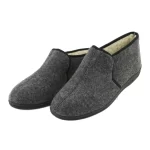
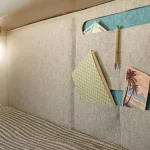
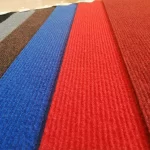
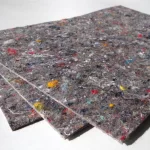
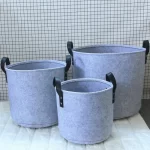
Handicraft products are made from needle tattoo fabric, needle punched fabric is linked together with Polyester fiber
Polyester or poly has the full name of polyethylene terephthalate (PET). Polyester is the common name for fabrics made from polyester synthetic fibers. Polyester fibers are made with ethylene as the main ingredient. If traditional fabrics such as linen are made from flax, silk fabrics are made from silkworms, cotton fabrics and canvas are made from cotton fibers, then the main source of polyester fiber fabric is from petroleum, coal. , air and water. There are four basic types of polyester yarn: filament, staple, roving and fiberfill.
Currently, in the synthetic fiber fabric market, polyester is the third produced plastic material with a market share of 18%. The two leading synthetic fabrics are polyethylene (accounting for 33%) and polypropylene (accounting for 20%).
Polyester synthetic fabrics are widely used in fashion apparel (clothes, underwear), furniture (bedding, curtains, sofas), tents, raincoats, etc.

With good water resistance and high durability, polyester fiber fabric is the main material used for raincoats, camping tents, etc.
THE ORIGIN OF POLYESTER
Polyester is a man-made synthetic material created in the laboratory in the early 20th century. British and American scientists discovered and developed this material. Below are some historical milestones of polyester.
1926
American scientist Wallace Carothers discovered for the first time that alcohols and carboxyl acids mix together to create synthetic fibers. However, at that time, he had to stop researching polyester to focus on nylon.
1939
A team of three British scientists including JR Whinfield, JT Dickson, WK Birtwhistle and CG Ritchie continued to study Carothers’ discovery.
1941
They patented polyethylene terephthalate (PET or PETE). This is the basis for forming later Terylene, Dacron, and Mylar fabrics. In the same year, they created the first polyester fiber called Terylene for the first time.
1946
DuPont Corporation of the US bought the patent rights of British scientists. They came up with another polyester yarn called Dacron.
1951
Polyester was introduced to the public as a miracle fabric that resists water, does not wear out. Especially high wrinkle resistance, can be worn for 68 days and still straight, no ironing required.

The picture describes the structure of polyester fiber fabric
1958
Manufacturer Eastman Chemical Products, Inc. has produced another polyester yarn called Kodel.
With the advantages of high durability and low cost, polyester fabric was very popular at that time. There are many polyester fabric factories appear. The prosperity of this cheap durable fabric lasted only until 1970.
1970
Products made from polyester fabric are considered cheap and uncomfortable to wear. This fabric is not biodegradable like traditional fabrics. At this time, polyester fabric is not used much in the fashion and garment industry anymore. However, people have applied it in many other fields such as making blankets, cushions, umbrellas, camping tents, raincoats, backpacks, etc.

Before 1970, suits made of polyester fabric were very popular.

Polyester is well-known as a wrinkle-free fabric that lasts for a long time without needing to be ironed as often as traditional fabrics.

Sofa liners are another fashion use of polyester fabrics.
With the ability to waterproof, anti-wrinkle, cheap price, … so today people still use polyester fabric in life. The two most common forms of polyester are polythylene terephthalate (PET) and poly-1, 4-cyclohexylene-dimethylene terephthalate (PCDT). Polythylene terephthalate is the most commonly used. Because in addition to the ability to exist independently, this type also has the ability to combine with many other fabrics to create products that suit user needs. For example, combined with cotton fabric to create clothing products with good wrinkle resistance, antibacterial, good sweat absorption, creating comfortable ventilation when worn.

Nowadays, people often combine polyester with other fabrics to create products with many good advantages to replace fabrics from cotton or animal origin.
STRUCTURE AND PROPERTIES OF POLYESTER FIBER
This section of structural characteristics and properties will help you understand more why polyester fabric is more resistant to moisture and wrinkles than other traditional fabrics.
Structural characteristics of polyester fiber
Polyester is created by the chemical reaction of alcohol and acid. Then, the elements randomly combine to form a molecule with a similar structure. This formed molecule is characterized by its large size, strong structure and stability.
Physical properties
- Polyester has a density of 1.38gcm3.
- Does not absorb moisture due to the structure of flexible plastic fibers.
- Less wrinkles, good recovery to original state.
- Has high durability.
- There is static electricity generated by friction.
Chemical properties
- Polyester fibers lose their strength when exposed to long periods of sunlight and high temperatures. At room temperature, the fiber is relatively stable. But when it is below many degrees 235 degrees Celsius, the structure of the fibers will lose orientation. At a temperature of 285 degrees Celsius, the fiber structure will be completely destroyed.
- Polyester fibers can withstand acids in dilute concentrations and their strength decreases when exposed to high concentrations of acids.
- Polyester is less stable in basic environments.
- Water resistant polyester fabric.
- Polyester fibers are not affected by microorganisms such as bacteria, mold, etc.
POLYESTER FABRIC PRODUCTION PROCESS


Polyester fibers are produced by one of several different methods. The method used depends on the type (type) of polyester to be produced.
1. Process
Polyester fibers are produced by one of several different methods. The method used depends on the type (type) of polyester to be produced. There are four basic types of polyester fibers : filament, staple, roving, and fiberfill. With filaments, each single strand that joins the polyester fiber is a continuous length, which is used to produce fabrics with smooth surfaces. With fibres, filaments are cut to pre-determined lengths so that it can be easier to blend with other yarns. Rough yarn is a form in which successive filaments are drawn loosely together. Fiberfill is a large fiber used in the manufacture of blankets, pillows, and outerwear. The two most frequently used forms are filaments and filaments.
2. Filament yarn production
A) Coincidence
B) Drying
C) Spinning
D) Stretching
E) Spinning
3. Production of short fiber PSF
A) Stretching
B) Create a crease
C) Shaping
D) Cutting process
PROS AND CONS OF POLYESTER
Each fabric has its own advantages and disadvantages. Even traditional fabrics of natural origin are the same. The reason polyester fabric still exists and is applied in many areas of life is because it meets human needs. Here are the advantages and disadvantages of polyester fabric.
Advantages of polyester
-
Good wrinkle resistance
Polyester fiber fabric has the characteristics of easy to restore to its original state, the fabric texture is strong. Thanks to that, the fabric is very rarely wrinkled. This makes it easier for users to store and use items. This is different from many fabrics like linen which are prone to wrinkles if not properly maintained.
-
Not waterproof
Polyester fiber is actually polyester, so the fabric is not water-absorbent. With this advantage, people have used this fabric to produce camping tents, sleeping bags, umbrellas, rain clothes, car covers, backpacks, etc.
-
Doesn’t get moldy
Because it does not absorb water, bacteria and mold cannot survive on the fabric. As a result, products made from polyester fabrics do not get moldy.
-
Do not absorb dirt, get dirty
The structure of polyester fabric is flexible plastic with good rigidity. Therefore, it is difficult for dirt to stick to the surface of the fabric.
-
Easy to clean
With the advantages of being waterproof and not moldy, polyester fabric products are easy to clean.
-
Low price
Polyester fabric is made from affordable materials, industrial production with fast time and cost savings. As a result, the cost of this fabric is much cheaper than traditional fabrics made from natural materials such as silk, linen, etc.

Weed barrier fabric made from polyester fiber is widely used in developed countries such as Europe for the protection of fruit trees from weeds.

Vải polyester có bảng màu sắc phong phú phù hợp với các nhu cầu sử dụng đa dạng.
-
A diversity of colours
Polyester fabric has good color ability and can be dyed many colors. Therefore, this fabric has a diverse color palette, suitable for many preferences and needs. This feature is very suitable for the fashion industry .
-
Has good fire resistance
In the production process in step 3, people add flame retardant chemicals. Therefore, polyester fabric has better fire resistance than natural fabrics.
Cons of polyester
The advantage of being waterproof also unintentionally makes polyester an additional disadvantage that clothes made from polyester fabric are quite hot and secret because they do not absorb sweat.
In addition, due to the strong fabric structure, the fabric has a low softness, quite hard. That is why today people have combined with natural fabrics to combine the advantages and disadvantages of each type, creating products of high quality, bringing comfort and ease to the user.
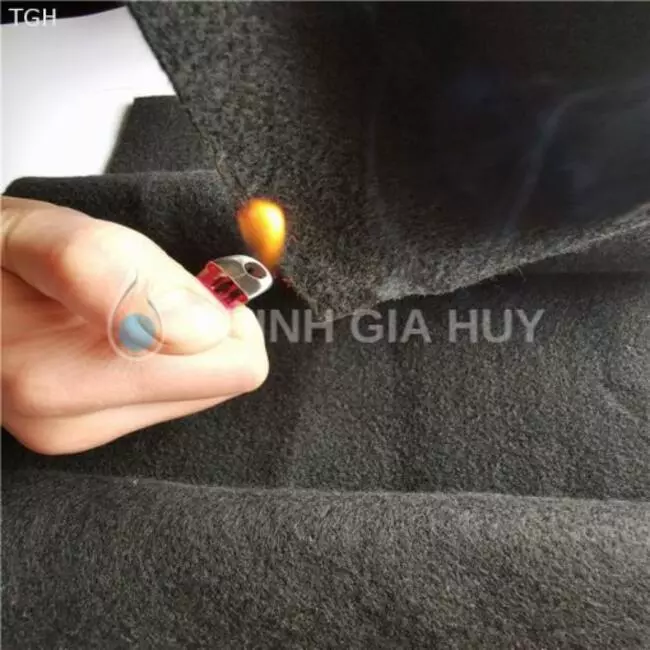
In the production process, adding flame retardants to increase the safety of fabrics
COMPARISON OF POLYESTER FIBER FABRIC AND TRADITIONAL FABRIC
Although born later than traditional fabrics, polyester fabrics still have a strong foothold in the market. This synthetic fabric is considered cheap, not luxurious. However, it possesses many outstanding advantages over natural fabrics. Typically: waterproof, not moldy. As a result, products made of polyester fabric retain their beauty longer than traditional fabrics.
Polyester fabric does not wrinkle, does not absorb dirt and is easy to clean. While traditional fabrics are prone to wrinkles, the texture is thinner, making it easier to absorb water, dust and difficult to clean.
Traditional fabrics of natural origin are biodegradable. Most polyester synthetic fabrics do not. Many environmentalists have called for using natural products instead of synthetic products to protect the environment.
IS POLYESTER GOOD?
The answer to the question “Is polyester any good?” depends on individual needs. If you are someone who likes to use products that are waterproof, wrinkle-free, easy to clean, etc., then polyester is a good material for you. But if you want to use a product that’s cool, doesn’t trap sweat, or has a softness that’s gentle on your skin, polyester isn’t for you.
However, in terms of objective factors, with the above advantages, polyester is a good fabric. That’s why polyester fabrics are widely used in daily life, in many countries around the world.
ABOUT THINH GIA HUY CO.,LTD
Thinh Gia Huy is one of the companies manufacturing and supplying fabric products. Especially needle tattoo fabric products. Currently Thinh Gia Huy products include:
-
- Needle tattoo fabric
- Agricultural Saigon
- Nonwoven
- Artificial feathers
- Processing cotton wool
- Keo Mex
- For more information Contact: >>>> 0838 333 368 <<<<
- Tiktok: https://www.tiktok.com/@thinhgiahuygroup?_t=8W1TNHCpj8M&_r=1
- Facebook: https://www.facebook.com/thinhgiahuygroup/
- Instagram: https://www.instagram.com/thinhgiahuygroup/
- Youtube channel: https://www.youtube.com/channel/UCoKd-1I6XZsXyIFzxAruFNA