




 VN
VN JP
JPFabric weight is critical in order to find a suitable material for your needs and ensure the highest quality.
In this article, you will learn about the most commonly used units of measurement for fabric weight, useful conversions between these units, and lastly, how to determine fabric weight with professional tools, or when the fabric swatch is too small, how to determine fabric weight with simple tools you can find around the office or your home.
What is the significance of fabric weight?


Remarks
- Please be aware that is not constant through an entire piece of fabric. There is always a slight deviation from the average throughout the fabric’s area.
- The humidity when weighing the fabric can also affect fabric. Especially for materials that have higher potential for storing water like nylon.
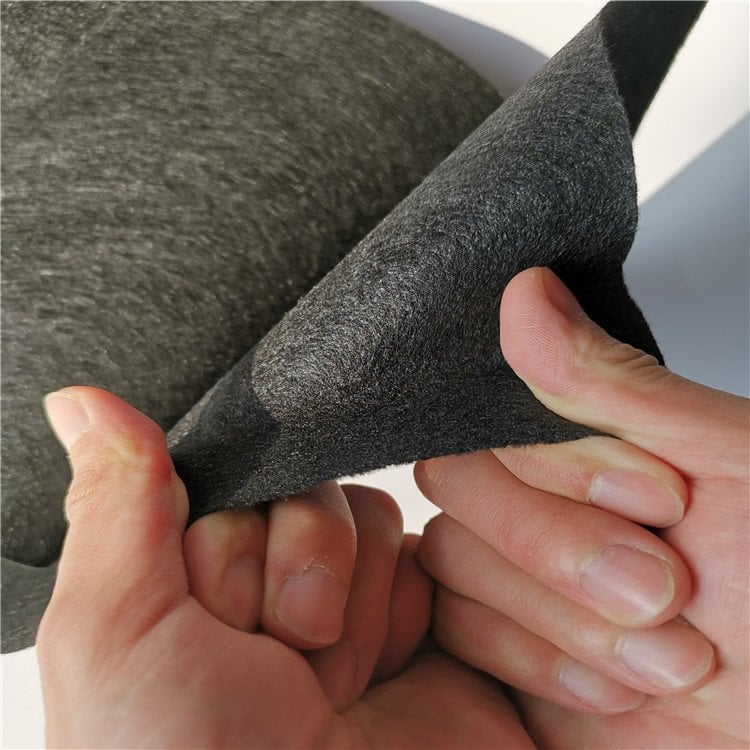
Simple spec can effect overall garment design significantly
What are the most commonly used units of measurement?
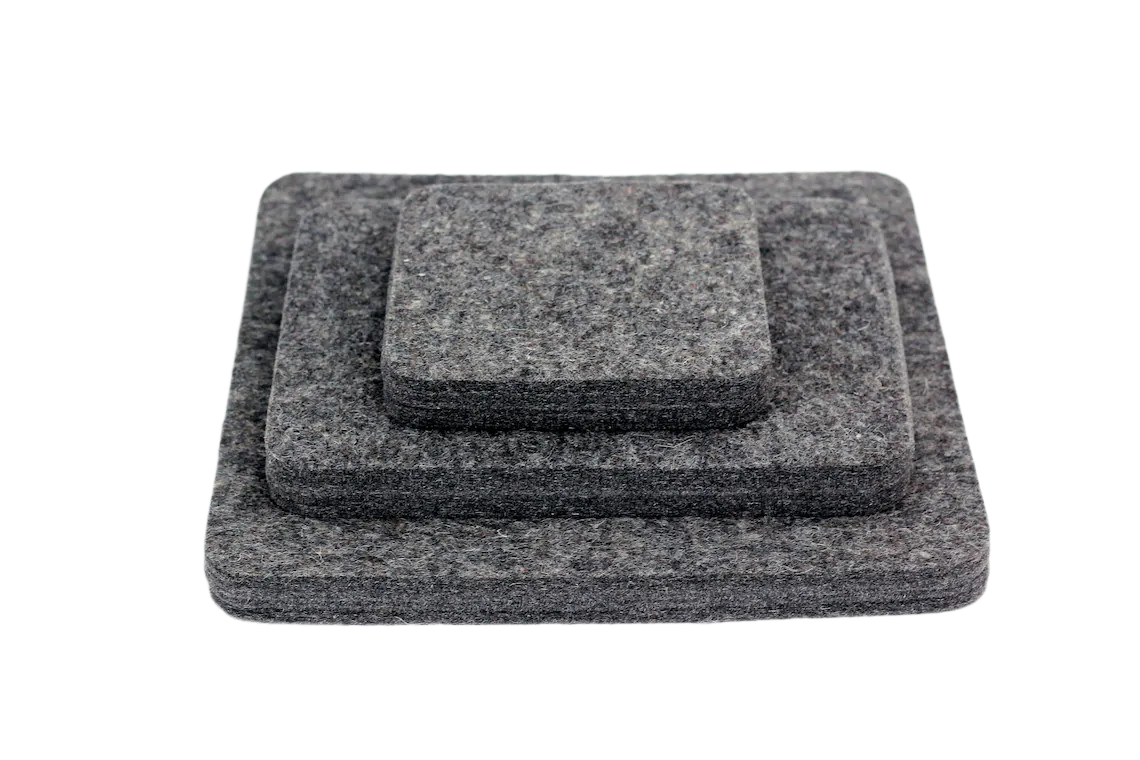
How to convert between the different units of measurement: g/m², g/y, and oz/yd²
| CONVERSION | FORMULA |
|---|---|
| g/m² to g/y | Full fabric width per inch x g/m² ÷ 43 = g/y |
| g/y to g/m² | g/y ÷ full fabric width per inch x 43 = g/m |
| gsm to oz/yd² | g/m² ÷ 33.906 = oz/yd² |
| oz/yd² to gsm | oz/yd² x 33.906 = g/m² |
Remarks
- The most common knitted fabric width is 60 inches, so this is a good guess to start with, but for exact conversions it is best to measure it yourself.
- Converting cm to inch: cm ÷ 2.54 = inch, or convert online.

How to determine fabric weight?

The area of fabric cut from a circle cutter is 0.01 m², so if we weigh it in grams, we calculate the fabric weight by:
(weight of fabric piece in grams) x 100 = gsm
If you have a precision digital scale made special for fabric, it will show the weight in gsm or gram per yard automatically.

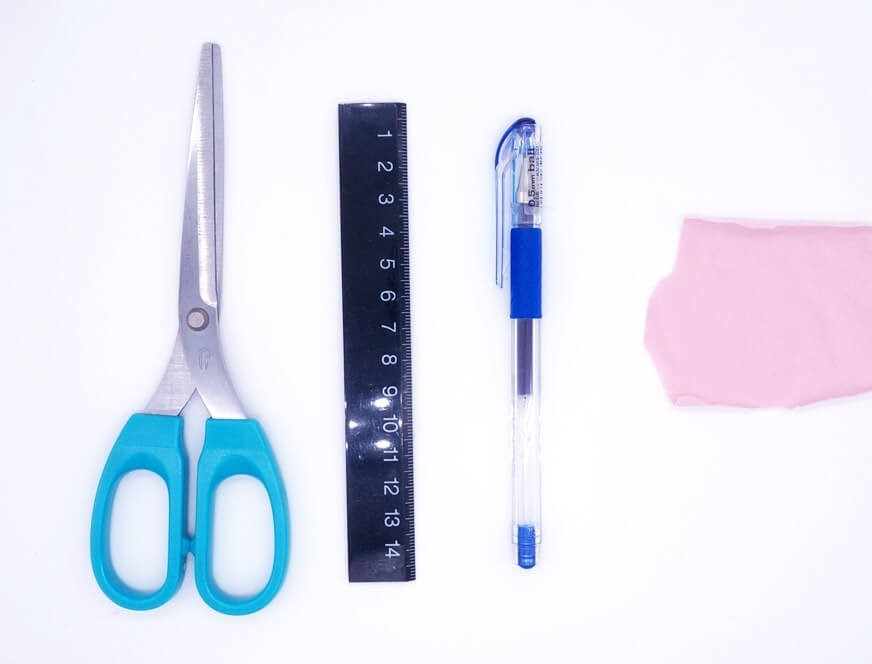

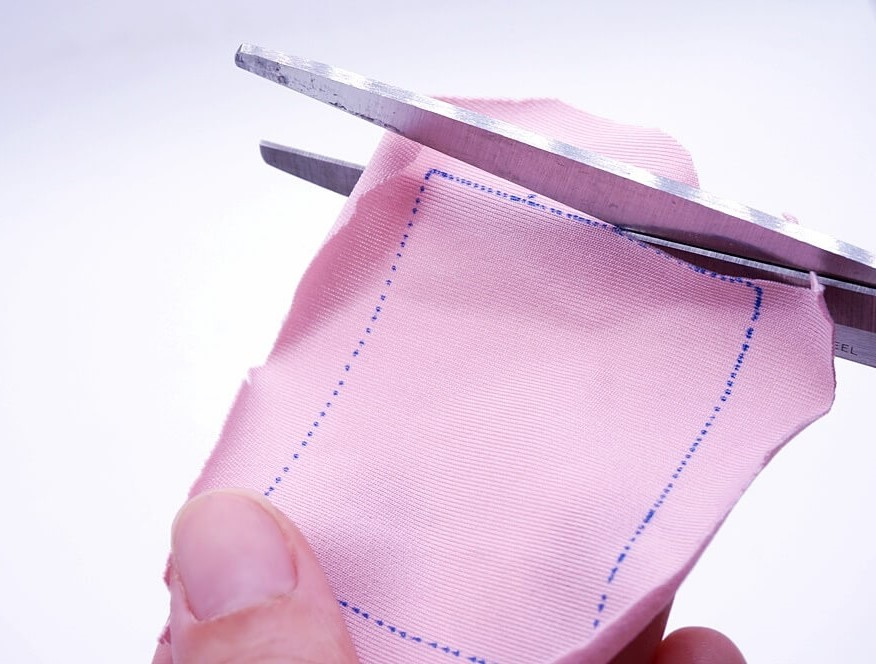
Second, cut the rectangle out of the fabric that you drew on. Then, measure the rectangle’s width and length in cm and calculate the area in (cm²) = (width) x (length). Write it down.
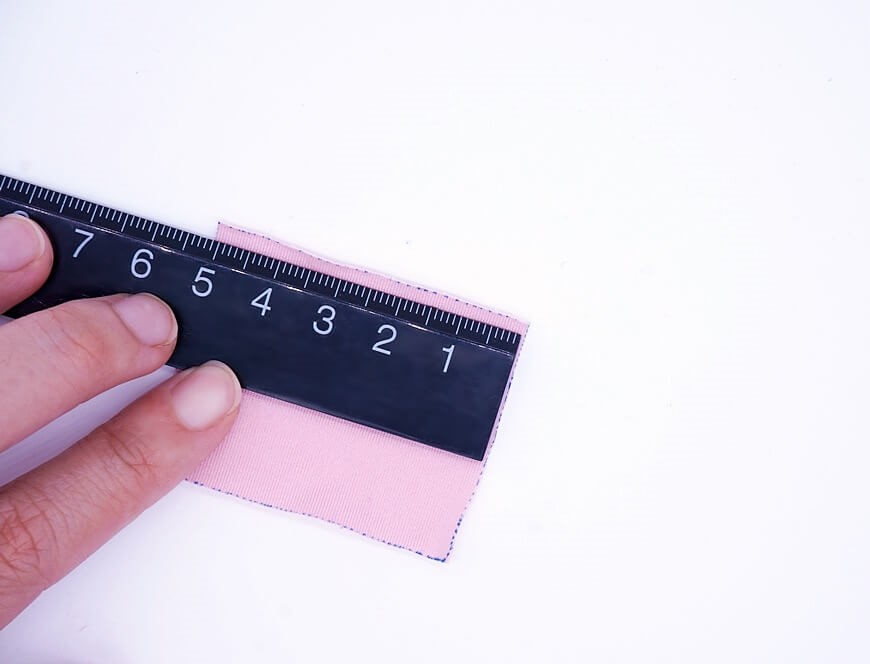
Third, weigh the rectangular fabric swatch with a precision digital scale. Write down the weight in grams.

Lastly, calculate the with the following formula:
10,000 ÷ (the area of the rectangle(cm²)) x (the weight of the fabric swatch(g)) = (fabric weight (g/m²))
Convert the fabric weight into the units you prefer with the formulas in the previous section!
Source: eysan.com
THỊNH GIA HUY CO.,LTD
- Needle punched fabric
- Padding (ball cotton, fiber cotton, rolled cotton, broken cotton, etc.)
- Nonwoven fabric
- Fauxdown
- Quilting
- Interlining