





 VN
VN JP
JP7 Key Factors Determining the Quality of Felt Fabric:
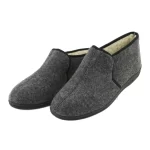
Felt fabric (also known as nỉ fabric) is widely used in various industries such as interior design, automotive, fashion, and construction.
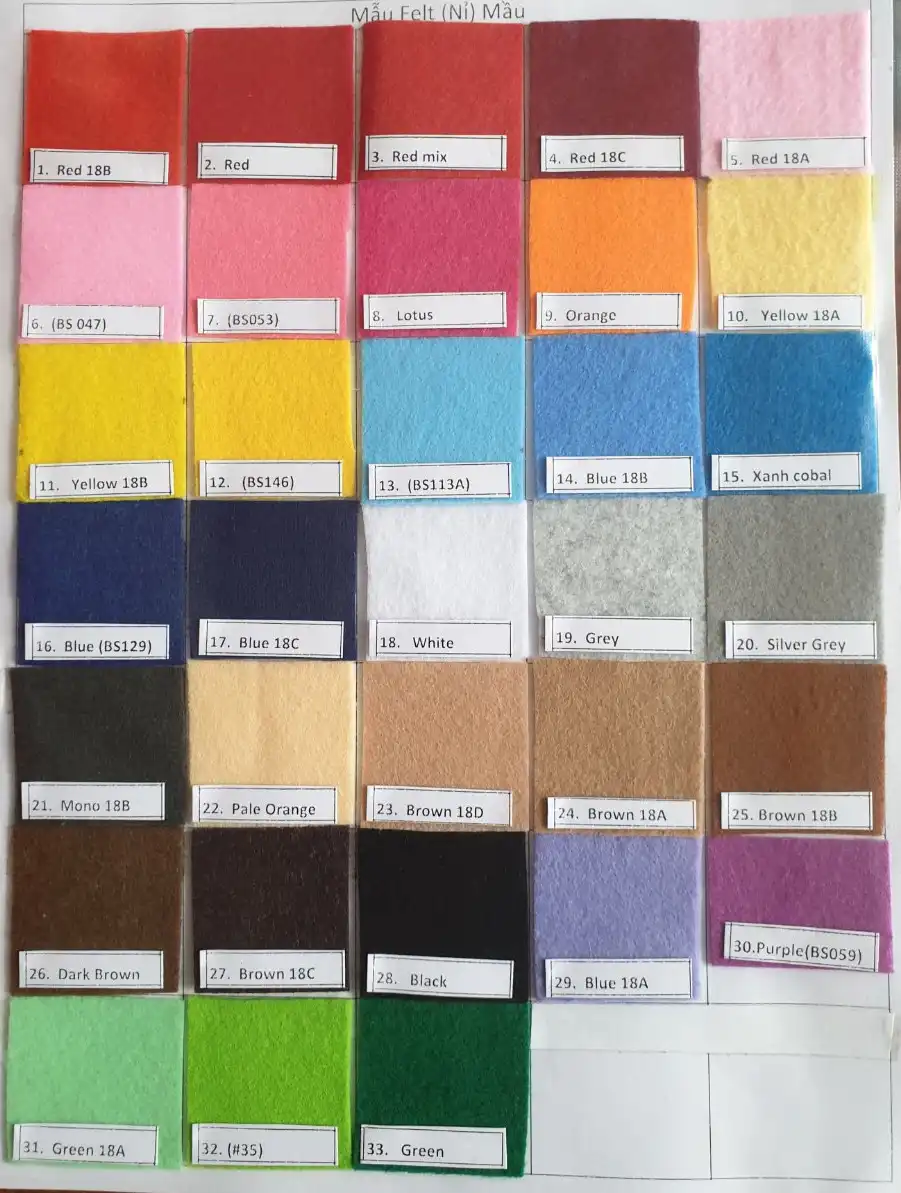
Color of Felt Fabric
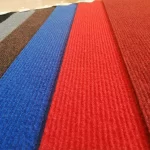
The color of felt fabric is the most easily recognizable factor among the 7 key factors. High-quality felt fabric should have a uniform color on the surface without any bleeding. This is because the colors of felt fabric products are often made from colored fibers that do not require dyeing, ensuring superior quality.
Common colors of felt fabric include white, black, and gray. Therefore, it’s essential to find a manufacturer with significant production capacity and experience to provide a comprehensive color palette and the best prices.
Surface of Felt Fabric
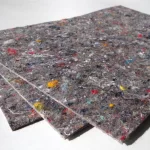
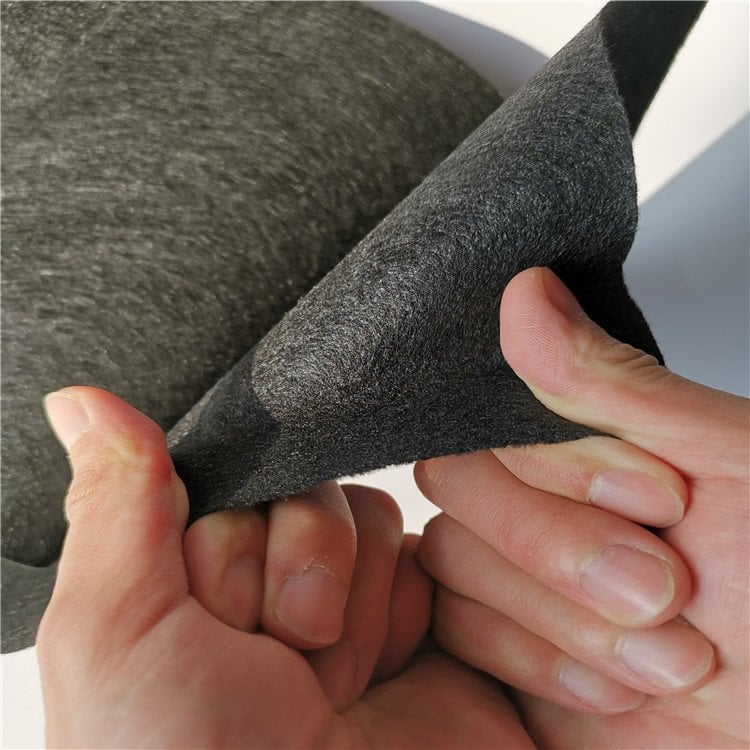
The surface of felt fabric (also known as nỉ fabric) should be flat, even, and free from areas of varying thickness. The fabric edges should be cut straight and square, ensuring an aesthetically pleasing appearance.
Weight of Felt Fabric
Weight (denoted as GSM) is the measurement of the fabric’s mass per square meter. The weight directly affects the thickness; for example, felt fabric with a higher GSM is typically thicker and sturdier.
The weight of felt fabric varies depending on its application in different industries. Here are some reference weights for various sectors:
- Interior Design Felt Fabric: 100gsm – 700gsm
- Carpet Felt Fabric: 100gsm – 700gsm
- Automotive Felt Fabric: 50gsm – 200gsm
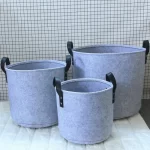
- Agricultural Felt Fabric: 120gsm – 180gsm
- Industrial Felt Fabric for Air and Oil Filtration: 30gsm – 300gsm
Thickness of Felt Fabric
During the manufacturing process, heat and chemical treatments are used to adjust the thickness of felt fabric. The thickness usually ranges from 0.5mm to 15mm, tailored to specific applications in different industries.
- Thin Felt: Thickness from 1mm to 3mm, typically used for handmade crafts, decorations, apparel, liners, air and oil filters.
- Thick Felt: Thickness from 3mm to 15mm, often used in interior design, carpet padding, and similar applications.

Firmness of Felt Fabric
The firmness of felt fabric can be felt by hand by bending and stretching the fabric or measured using specialized equipment.
Depending on the application, the manufacturing plant can adjust the felt fabric to match the original sample and the customer’s requirements.

Width of Felt Fabric
Felt fabric comes in common widths such as 1m, 1.6m, or 2m. The width must be cut according to the customer’s requirements, ensuring no shortage in centimeters. If there is a shortage, the batch will not meet the agreement and will be subject to return and re-production.
Thịnh Gia Huy L.A Factory can produce felt fabric with a maximum width of 320 cm and can cut the width as per the partner’s request.
**Note:** It is important to provide accurate width information to the manufacturing plant.

Water Resistance and Fire Retardancy of Felt Fabric
In addition to the basic factors, felt fabric can be enhanced with special features such as water resistance, fire retardancy, and anti-static properties. These features make felt fabric more versatile for use in various fields, including industrial, medical, fashion, and interior design.
When purchasing felt fabric with these special requirements, ensure that the fabric has been tested and certified according to international standards.
Conclusion
To select high-quality felt fabric, it is essential to carefully consider the 7 Key Factors Determining the Quality of Felt Fabric. Understanding these factors will help you choose the most suitable fabric for your needs and ensure the quality of your products.
Thịnh Gia Huy L.A Factory is a reputable manufacturer of felt fabric in Vietnam. We have experience producing felt for various industries such as interior design, construction, apparel, and footwear.
Contact us at hotline 0838.333.368 for consultation and prompt sample delivery.